When organisers search for exhibition pavilions in Perth, they are rarely just looking for a large empty room. They are looking for a space that helps events run smoothly – from arrival to final session – while creating moments that feel considered, connected and easy to navigate.
That is where strategic floor planning matters.
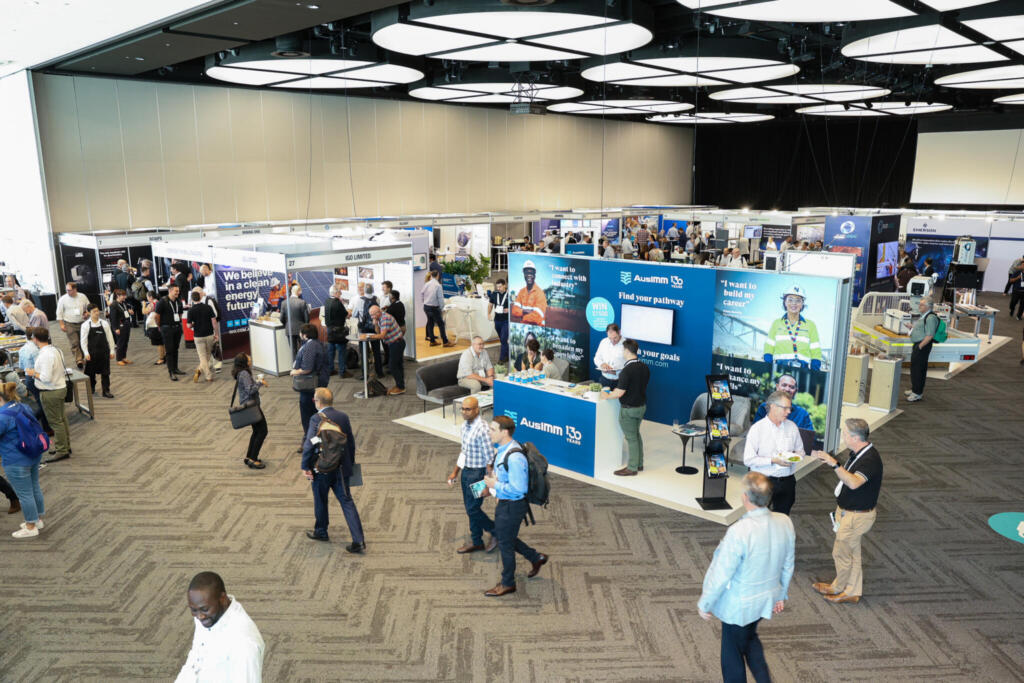
At Perth Convention and Exhibition Centre, exhibition pavilions can be combined to deliver 16,644 m² of uninterrupted space across six pavilions, with capacity for more than 10,000 people. That scale is important. What matters more is how that space supports the way your event actually works.
For professional conference organisers, event planners and internal teams managing complex multi–day events, the question is not just ‘How much space is available?’ It is ‘How can this space work better for our delegates, sponsors and stakeholders?’
Start with event flow, not just floor area
A large pavilion gives you flexibility. It does not solve planning on its own.
Strong floor plans begin with how people move. Where do delegates enter? How quickly can they register? How naturally do they move between exhibition areas, networking zones and meeting spaces?
With the right exhibition pavilion capacity, you can zone your event with intent. High–traffic areas can sit apart from quieter meeting points. Exhibition stands, catering zones and feature activations can coexist without congestion. Circulation space becomes part of the experience, not an afterthought.
This is where exhibition pavilions Perth capacity becomes a practical advantage, not just a specification.
Plan the pavilion as part of a wider venue experience
For many events, the pavilion is only one part of the story.
Conferences, trade exhibitions and corporate events often include breakout sessions, executive meetings and parallel programming. Trying to contain everything within a single hall can limit the experience.
PCEC supports a more flexible approach. Alongside its exhibition pavilions, the venue offers 23 multi–functional meeting rooms for 20 to 200 guests, plus additional convention spaces.
This allows organisers to use the pavilion for scale and visibility, while nearby rooms support more focused interactions. The result is a more balanced event that feels cohesive rather than crowded.
What good floor planning looks like in practice
Effective layouts prioritise both visibility and comfort.
Registration should be easy to find and quick to clear. Exhibitor and sponsor zones should sit in high–traffic areas without creating bottlenecks. Catering should encourage connection, not block movement. Quieter spaces should exist for meetings and conversations away from the main flow.
For multi–day events, layouts also need to adapt. Morning arrivals, afternoon sessions and evening networking all place different demands on the space. A flexible pavilion allows you to plan for these shifts, rather than react to them.
Capacity matters – but flexibility drives better outcomes
‘Exhibition pavilions Perth capacity’ may be the search term, but flexibility is often the deciding factor.
Every event is different. Some require open exhibition layouts with strong visitor flow. Others need integrated stages, product demonstrations or private meeting areas. Many require a combination of all three.
PCEC’s custom–built venue supports these variations, with around 28,000 square metres of total event space across exhibitions, meetings and conventions. This allows organisers to tailor each event – aligning with a bespoke, service-led approach that supports both planners and delegates.
A better fit for complex business events
Large–scale events benefit from having everything in one place.
By combining exhibition pavilions with adjacent meeting rooms, organisers can reduce logistical friction, improve delegate movement and create a more connected experience. Sponsors gain better visibility. Attendees spend less time navigating and more time engaging.
For interstate and international organisers, this reduces operational risk and supports a smoother delivery from start to finish.
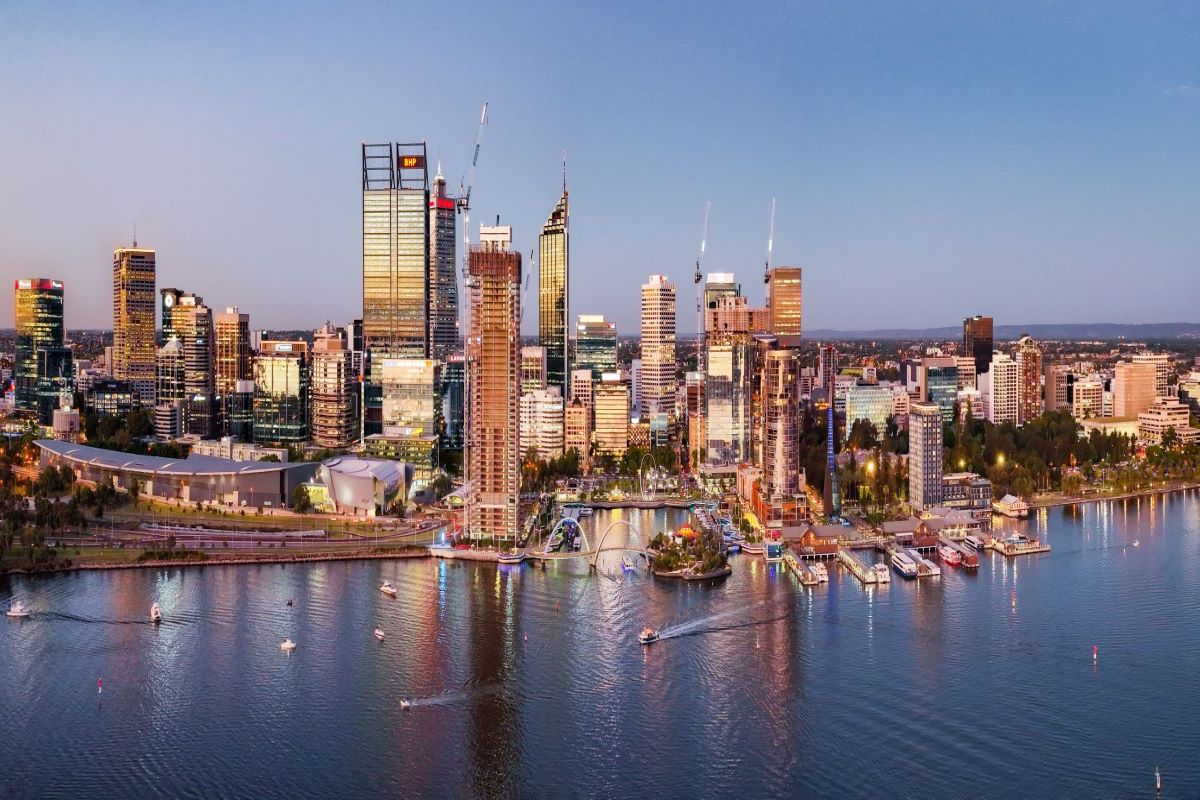
A central location within walking distance of accommodation, dining and entertainment also supports smoother event delivery. Delegates can easily access the venue via public transport or on foot – with full details available on PCEC’s ‘getting here’ page
Questions to ask before confirming your layout
Before finalising your exhibition pavilion setup, consider:
- What are the highest traffic areas throughout the day?
- Which zones need visibility, and which require privacy?
- What belongs in the pavilion, and what should move to meeting rooms?
- How will delegates move between key moments of the event?
- Does the layout reflect real behaviour, not just a floor plan?
These questions help turn a large space into a well–designed event.
Making the most of exhibition pavilions in Perth
The best use of exhibition pavilions is not about filling every square metre. It is about using space with purpose.
At PCEC, the scale of the exhibition pavilions is only the beginning. What sits around that space – dedicated support, flexible rooms and a thoughtfully designed venue – helps bring events to life and create moments that feel effortless for everyone involved.
Start planning your PCEC event space
Planning a multi–day event in Perth? Speak with the PCEC team about the right mix of exhibition pavilion, meeting room and boardroom space to support your event goals, audience flow and overall experience.