When organisers compare trade show venues in Perth, the conversation often starts with floor space. That makes sense, but square metres alone do not determine whether an event feels easy to navigate, valuable for exhibitors or seamless for attendees.
For high–foot–traffic events, the real test is how well the venue supports movement and experience from the moment people arrive.
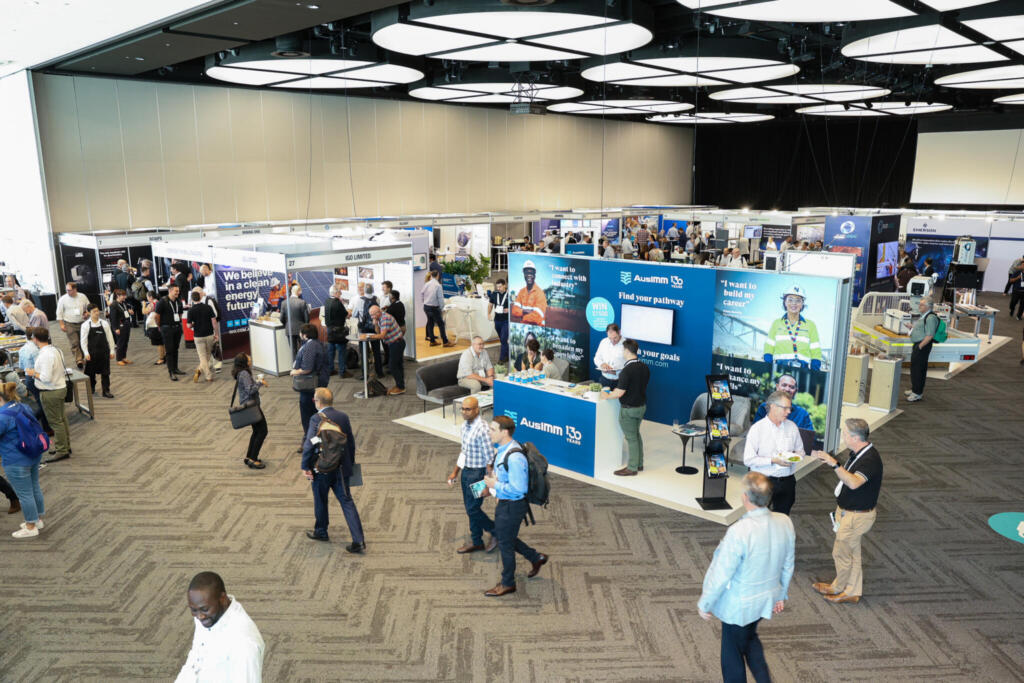
At PCEC, exhibition pavilions offer 16,644 m² of flexible space across six combinable areas. That scale allows organisers to plan for movement as well as capacity – creating layouts that support smoother flow, clearer zoning and a more connected event experience.
What to look for in a high-traffic expo or trade show venue in Perth
A strong venue should support more than capacity. It should enable:
- Clear entry and registration flow
- Natural visitor movement across the floor
- Strong visibility for exhibitors and sponsors
- Space for activation zones and feature areas
- Flexibility to adapt to different event formats
These factors shape how people experience the event – and how exhibitors measure its success.
High–foot–traffic events need a different approach
Not every event behaves the same way once doors open.
Some trade shows and exhibitions see steady movement across the day. Others experience sharp peaks, queues and bursts of activity. Consumer-facing expos often bring families, feature attractions and unpredictable traffic patterns.
This is where layout planning becomes critical.
Organisers need to think beyond booth placement. Where do people gather? What do they see first? How do they move between key zones? Without that thinking, even a large venue can feel crowded or disjointed.
Why layout matters for exhibitor outcomes
High foot traffic only delivers value when it leads to engagement.
Exhibitors need visibility, dwell time and consistent movement across the entire floor. If traffic concentrates at the front, outer areas can underperform. If the layout is too dense, visitors move quickly without stopping.
Well-planned layouts create balance. They support wide aisles, clear sightlines and natural pause points. They help distribute attention more evenly, giving exhibitors more opportunity to connect and create meaningful interactions.
Start with entry, circulation and wayfinding
The first impression of an event often comes down to logistics.
If entry feels congested, the experience starts on the wrong foot. If registration blocks access to the floor, movement slows immediately. If signage is unclear, visitors stay in familiar zones and miss key areas.
Effective layouts address this early. Registration areas need space to function without disrupting flow. Main aisles should handle peak periods comfortably. Wayfinding should guide visitors across the full event footprint.
At PCEC, the scale and flexibility of the exhibition pavilions allow organisers to plan these zones with greater intent, supported by a team experienced in managing complex event flow.
Design for real visitor behaviour, not just the floor plan
A common mistake is designing layouts that look clean on paper but do not reflect how people actually move.
Visitors cluster near entrances, gather around demonstrations and pause at food and seating areas. They avoid tight spaces and often miss areas that feel disconnected.
Strong layouts respond to this behaviour. Feature zones and anchor exhibitors help draw people deeper into the space. Rest areas support longer dwell time. Smaller exhibitors are positioned along natural pathways, not hidden away.
For multi–day events, this becomes even more important as traffic patterns shift over time.
Real events show how this plays out in practice
PCEC’s current events calendar reflects how high–foot–traffic expos behave in real settings.
Events such as Careers Expo, PBC BABY Expo and Pixel Expo Vs all bring large visitor volumes across one or multiple days. These formats highlight how important layout, circulation and wayfinding become when movement is constant and often unpredictable.
Whether it is repeat attendance across multiple days or concentrated peak periods, these events reinforce the need for venues that can handle flow as well as scale.
A venue that supports more than the exhibition floor
Many trade shows and expos need more than pavilion space alone.
They often include seminars, workshops, meetings or private discussions alongside the main exhibition. Having access to additional rooms within the same venue makes these elements easier to deliver.
PCEC supports this with 23 multi–functional meeting rooms for groups of 20 to 200. This allows organisers to build a more complete event experience, with the flexibility to tailor layouts and formats to suit their audience.
Why logistics shape the overall experience
Good logistics are rarely noticed. Poor logistics are impossible to ignore.
Attendees notice when arrival is smooth, when movement feels easy and when key areas are simple to find. They also notice when queues build, aisles feel cramped or navigation becomes frustrating.
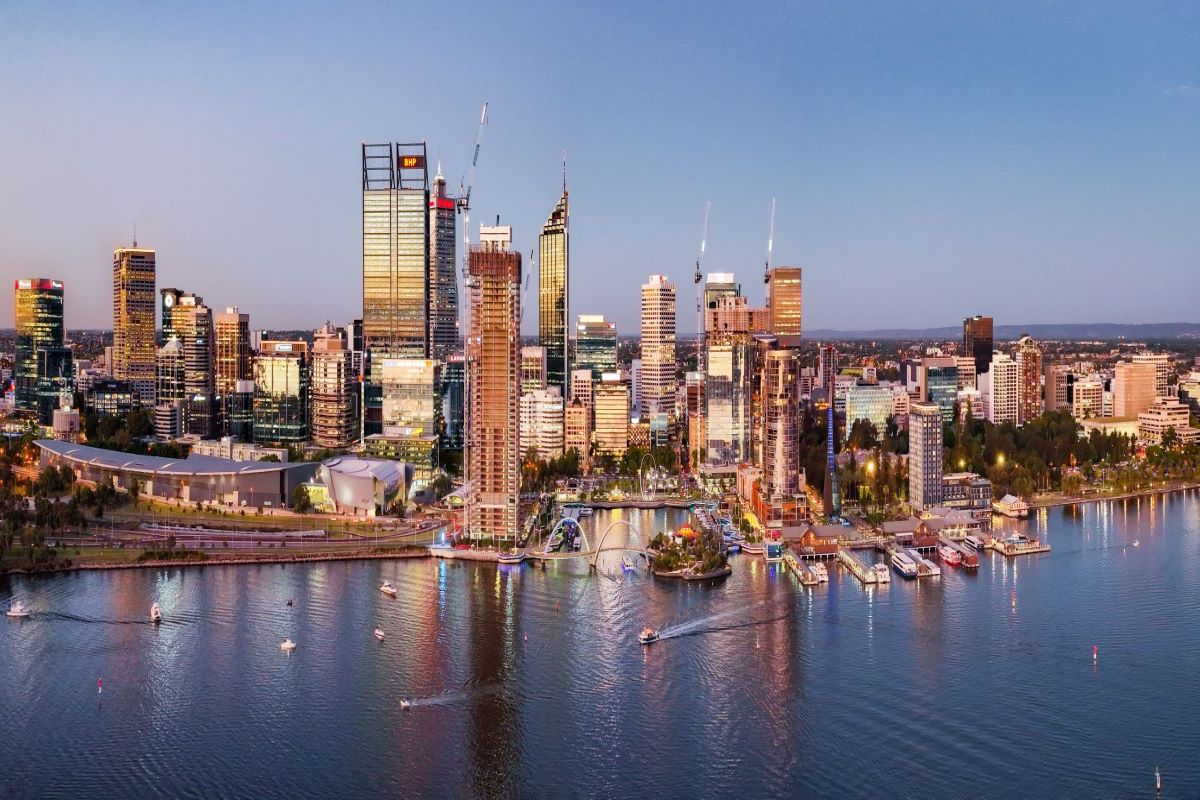
PCEC’s central Perth location supports this experience, with easy access by public transport, car and foot traffic routes. For detailed directions and transport options, organisers can refer to PCEC’s ‘getting here’ page.
Why PCEC works for high–foot–traffic expos and trade shows
For organisers comparing expo and trade show venues in Perth, PCEC offers a practical advantage.
It combines large-scale exhibition space with layout flexibility, supporting rooms and a central location. This allows organisers to plan for flow, visibility and experience – not just capacity.
With a service-led approach and a team focused on tailored event delivery, PCEC helps organisers create events that feel seamless for both exhibitors and attendees.
Plan your expo at PCEC
Planning a high–foot–traffic event in Perth? PCEC offers the space, support and flexibility to help you design a layout that works from arrival through to pack-down.
Speak with PCEC about the right mix of pavilion space, visitor flow and supporting rooms for your next trade show or expo.